Platelet Count
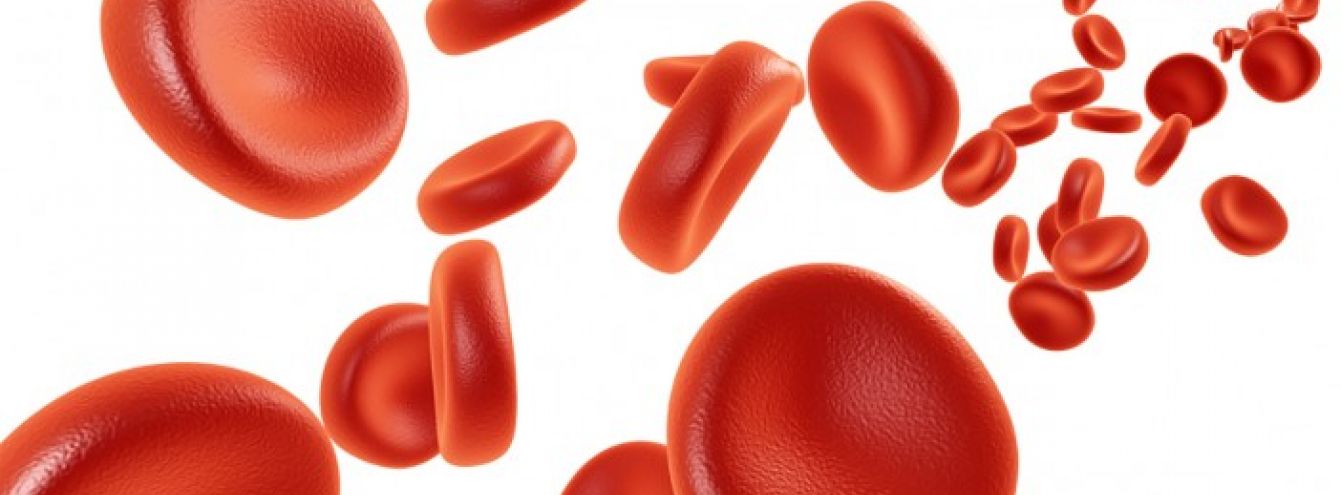
Platelet Count
Definition
A platelet count is a test to measure how many platelets you have in your blood. Platelets help the blood clot. They are smaller than red or white blood cells.
Alternative Names
Thrombocyte count
How the test is performed?
Blood is typically drawn from a vein, usually from the inside of the elbow or the back of the hand. The site is cleaned with germ-killing medicine (antiseptic). The health care provider wraps an elastic band around the upper arm to apply pressure to the area and make the vein swell with blood.
Next, the health care provider gently inserts a needle into the vein. The blood collects into an airtight vial or tube attached to the needle. The elastic band is removed from your arm.
Once the blood has been collected, the needle is removed, and the puncture site is covered to stop any bleeding.
In infants or young children, a sharp tool called a lancet may be used to puncture the skin and make it bleed. The blood collects into a small glass tube called a pipette, or onto a slide or test strip. A bandage may be placed over the area if there is any bleeding.
How to prepare for the test?
No preparation is necessary. Tell your doctor if you are taking any medications, including over-the-counter medicines and supplements.
Drugs that can lower platelet counts include chemotherapy drugs, chloramphenicol, colchicine, GP IIb/IIIa receptor antagonists, H2 blocking agents, heparin, hydralazine, indomethacin, isoniazid, quinidine, streptomycin, sulfonamides, thiazide diuretic, and tolbutamide.
How the test will feel?
When the needle is inserted to draw blood, some people feel moderate pain, while others feel only a prick or stinging sensation. Afterward, there may be some throbbing.
Why the test is performed?
The number of platelets in your blood can be affected by many diseases. Platelets may be counted to monitor or diagnose diseases, or identify the cause of excess bleeding.
Normal Values
150,000 - 400,000 platelets per microliter (mcl).
Note: Normal value ranges may vary slightly among different laboratories. Talk to your doctor about the meaning of your specific test results.
The examples above show the common measurements for results for these tests. Some laboratories use different measurements or may test different specimens.
What abnormal results mean?
A lower-than-normal number of platelets (thrombocytopenia) may be due to:
Cancer chemotherapy
Certain medications
Disseminated intravascular coagulation (DIC)
Hemolytic anemia
Hypersplenism
Idiopathic thrombocytopenic purpura (ITP)
Leukemia
Massive blood transfusion
Prosthetic heart valve
Thombotic thrombocytopenic purpura (TTP)
Celiac disease
Vitamin K deficiency
A higher-than-normal number of platelets (thrombocytosis) may be due to:
Anemia
Chronic myelogenous leukemia (CML)
Polycythemia vera
Primary thrombocythemia
Recent spleen removal
What the risks are
There is very little risk involved with having your blood taken. Veins and arteries vary in size from one patient to another and from one side of the body to the other. Taking blood from some people may be more difficult than from others.
Other risks associated with having blood drawn are slight but may include:
Excessive bleeding
Fainting or feeling light-headed
Hematoma (blood accumulating under the skin)
Infection (a slight risk any time the skin is broken)
This information is for educational purposes only and is not intended to replace the advice of your doctor or health care provider. We encourage you to discuss with your doctor any questions or concerns you may have.
2019-08-22 13:00:00

 Instagram
 Pinterest
 X
X YouTube


