Diverticular Disease and Diet , Diabetes Mellitus
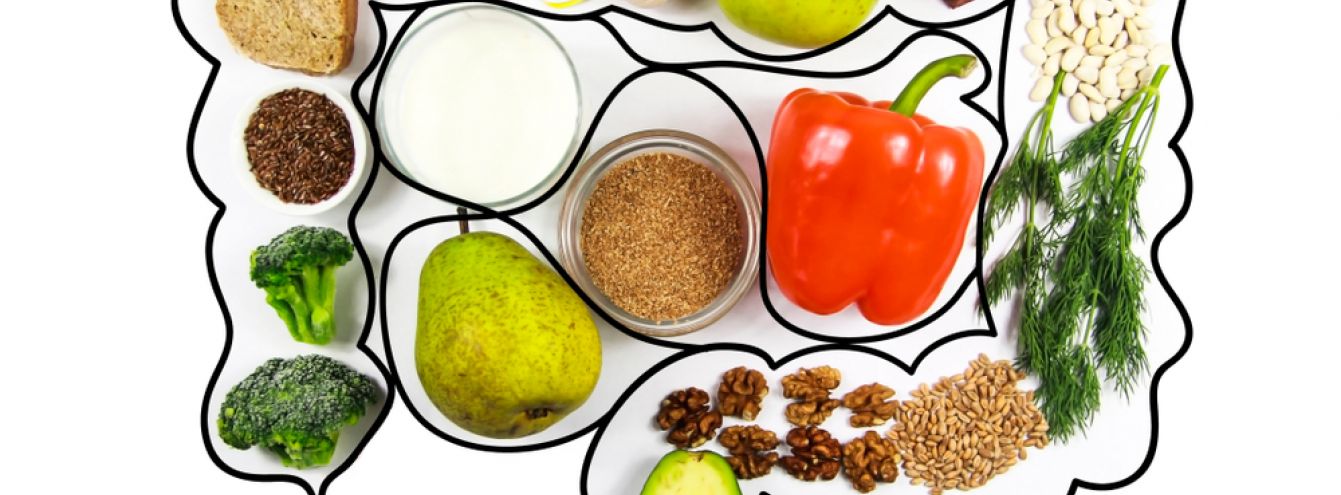
Diverticulum Disease and Diet , Diabetes Mellitus
Diverticulum Disease and Diet
Diverticulosis is a condition in which small, bulging pouches (diverticulum) form inside the lower part of the intestine, usually in the colon. Constipation and straining during bowel movements can worsen the condition. A diet rich in fiber can help keep stools soft and prevent inflammation.
Diverticulitis occurs when the pouches in the colon become infected or inflamed. Dietary changes can help the colon heal.
Fiber is an important part of the diet for patients with diverticulosis. A high-fiber diet softens and gives bulk to the stool, allowing it to pass quickly and easily.
Diet for Diverticulosis
Eat a high-fiber diet when you have diverticulosis. Fiber softens the stool and helps prevent constipation. It also can help decrease pressure in the colon and help prevent flare-ups of diverticulitis.
High-fiber foods include:
-
Beans and legumes
-
Bran, whole wheat bread and whole grain cereals such as oatmeal
-
Brown and wild rice
-
Fruits such as apples, bananas and pears
-
Vegetables such as broccoli, carrots, corn and squash
-
Whole wheat pasta
If you currently don't have a diet high in fiber, you should add fiber gradually. This helps avoid bloating and abdominal discomfort. The target is to eat 25 to 30 grams of fiber daily. Drink at least 8 cups of fluid daily. Fluid will help soften your stool. Exercise also promotes bowel movement and helps prevent constipation.
When the colon is not inflamed, eat popcorn, nuts and seeds as tolerated.
Diet for Diverticulitis
During flare ups of diverticulitis, follow a clear liquid diet. Your doctor will let you know when to progress from clear liquids to low fiber solids and then back to your normal diet.
A clear liquid diet means no solid foods. Juices should have no pulp. During the clear liquid diet, you may consume:
-
Broth
-
Clear juices such as apple, cranberry and grape. (Avoid orange juice)
-
Jell-O
-
Popsicles
When you're able to eat solid food, choose low fiber foods while healing. Low fiber foods include:
-
Canned or cooked fruit without seeds or skin, such as applesauce and melon
-
Canned or well cooked vegetables without seeds and skin
-
Dairy products such as cheese, milk and yogurt
-
Eggs
-
Low-fiber cereal
-
Meat that is ground or tender and well cooked
-
Pasta
-
White bread and white rice
After symptoms improve, usually within two to four days, you may add 5 to 15 grams of fiber a day back into your diet. Resume your high fiber diet when you no longer have symptoms.
Diabetes Mellitus
Diabetes mellitus has become an epidemic in the United States with about 1 million people over age 20 diagnosed with the condition each year. About 17 million people, or 6 percent of the U.S. population, have diabetes mellitus, a disease in which the body doesn't produce or properly use insulin, a hormone produced in the pancreas that converts sugar into energy.
Diabetes, the sixth leading cause of death in the United States, can cause serious health complications such as blindness, kidney failure, nerve damage and the need for lower-extremity amputations. In addition, diabetes is a major risk factor for cardiovascular disease, dramatically increasing the risk for heart disease and stroke.
Types of Diabetes
There are three main types of diabetes:
Type 1 Diabetes: About 5 to 10 percent of those with diabetes have type 1 diabetes. It's an autoimmune disease, meaning the body's own immune system mistakenly attacks and destroys the insulin-producing cells in the pancreas. Patients with type 1 diabetes have very little or no insulin, and must take insulin everyday. Although the condition can appear at any age, typically it's diagnosed in children and young adults, which is why it was previously called juvenile diabetes.
Type 2 Diabetes: Accounting for 90 to 95 percent of those with diabetes, type 2 is the most common form. Usually, it's diagnosed in adults over age 40 and 80 percent of those with type 2 diabetes are overweight. Because of the increase in obesity, type 2 diabetes is being diagnosed at younger ages, including in children. Initially in type 2 diabetes, insulin is produced, but the insulin doesn't function properly, leading to a condition called insulin resistance. Eventually, most people with type 2 diabetes suffer from decreased insulin production.
Gestational Diabetes: Gestational diabetes develops during pregnancy. It occurs more often in African Americans, Native Americans, Latinos and people with a family history of diabetes. Typically, it disappears after delivery, although the condition is associated with an increased risk of developing diabetes later in life.
Signs and Symptoms
If you think that you have diabetes, visit your doctor immediately for a definite diagnosis. Common symptoms include the following:
-
Frequent urination
-
Excessive thirst
-
Unexplained weight loss
-
Extreme hunger
-
Sudden vision changes
-
Tingling or numbness in the hands or feet
-
Feeling very tired much of the time
-
Very dry skin
-
Sores that are slow to heal
-
More infections than usual
Some people may experience only a few symptoms that are listed above. About 50 percent of people with type 2 diabetes don't experience any symptoms and don't know they have the disease.
Diagnosis
Your doctor will first ask about your medical history and perform a physical examination to check for symptoms of diabetes and high blood sugar. Diabetes usually is diagnosed with the following tests that measure the glucose levels in your blood:
Fasting Plasma Glucose Test: This is the standard test for diagnosing type 1 and type 2 diabetes. You must not eat or drink anything for at least eight hours prior to this simple test in which blood is drawn to check your sugar levels. A diagnosis of diabetes will be made if you have a fasting blood sugar level of 126 milligrams per deciliter or higher on two separate days.
Other Tests: Diabetes also may be diagnosed based on a random high glucose level of 200mg/dl and symptoms of the disease. Your doctor may wish to perform an oral glucose tolerance test, which is the traditional test for diabetes mellitus.
Treatment
The goal of diabetes management is to keep blood glucose levels as close to normal as safely possible. Since diabetes may greatly increase risk for heart disease and peripheral artery disease, measures to control blood pressure and cholesterol levels are an essential part of diabetes treatment as well.
People with diabetes must take responsibility for their day-to-day care. This includes monitoring blood glucose levels, dietary management, maintaining physical activity, keeping weight and stress under control, monitoring oral medications and, if required, insulin use via injections or pump. To help patients achieve this, UCSF's Diabetes Teaching Center offers self-management educational programs that emphasize individualized diabetes care. The program enables patients to make more consistent and appropriate adjustments in their therapy and lifestyle.
Special thanks to the source: UCSF Benioff Children's Hospital San Francisco and Harvard T.H. Chan School of Public Health.
In last chapters we done our best to collect original knowledge and submit you without any changes, our mission is fulfill all you need your knowledgeable as our partner and inquiry as part of our life, we will do all our best to proper the high quality lifestyle for you and all you love them.
Your Fulfilment Partner!
2019-08-22 19:00:00

 Instagram
 Pinterest
 X
X YouTube